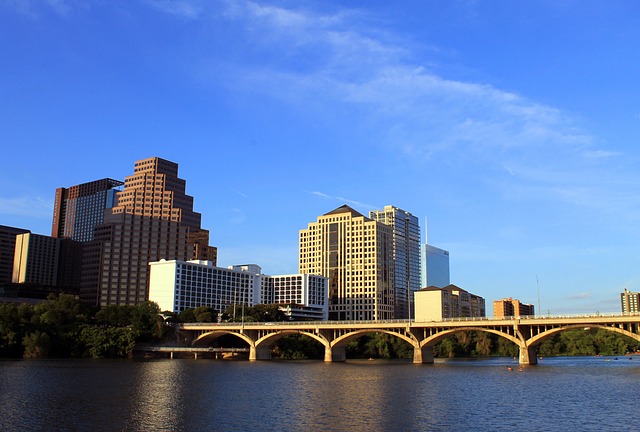
Austin's commercial real estate sector is thriving, marked by significant growth, a robust tech industry (read more here), and a high quality of life that collectively position it as a leading destination for business expansion. The city's resilient job market and strategic location at major transportation hubs enhance logistical efficiencies, making it an attractive investment and expansion opportunity. Austin's real estate market is characterized by innovation, sustainability, and economic vitality, offering substantial potential for significant returns on investment. Investors are drawn to the city's diverse neighborhoods, competitive market conditions with rapid property appreciation, and the need for contemporary workspaces that support technological integration. The rise of coworking spaces, smart building technologies, and a focus on energy efficiency and advanced amenities cater to both budding entrepreneurs and established firms. Additionally, Austin's commitment to sustainability is evident in its green building initiatives, which not only offer environmental benefits but also enhance brand image and provide healthier work environments for a skilled workforce. The city's financing options are diverse, including conventional loans from local banks as well as alternative funding sources like REITs, private equity funds, and crowdfunding platforms. With government-sponsored programs and incentives supporting economic development, businesses have multiple avenues to finance their growth in Austin's vibrant market.
Austin's real estate landscape presents a fertile ground for businesses seeking expansion opportunities. This article delves into the burgeoning commercial real estate (CRE) market in Austin, highlighting strategic investment zones and market dynamics pivotal for growth-minded enterprises. From navigating the unique market dynamics to identifying high-growth areas, this guide offers insights into leveraging technology and innovation, embracing sustainable development trends, and exploring diverse financial options to fund your CRE ventures in Austin's thriving business environment.
Austin Real Estate stands as a testament to the region's economic vitality and potential for businesses aiming to expand their footprint. Engaging with this sector not only promises growth opportunities but also positions companies at the forefront of innovation, where they can capitalize on eco-conscious development and cutting-edge technological advancements. Join us as we explore the multifaceted aspects of commercial real estate expansion in Austin.
- Austin's Booming Market: A Prime Location for Commercial Real Estate Expansion
- Navigating Austin Real Estate: Understanding the Market Dynamics for Businesses
- Strategic Investments: Identifying High-Growth Areas in Austin for Commercial Ventures
- The Role of Technology and Innovation in Shaping Austin's CRE Opportunities
- Sustainable Development: Eco-Friendly Spaces as a Key Trend in Austin CRE
- Financing Your Expansion: Exploring Financial Options for Commercial Real Estate Investments in Austin
Austin's Booming Market: A Prime Location for Commercial Real Estate Expansion
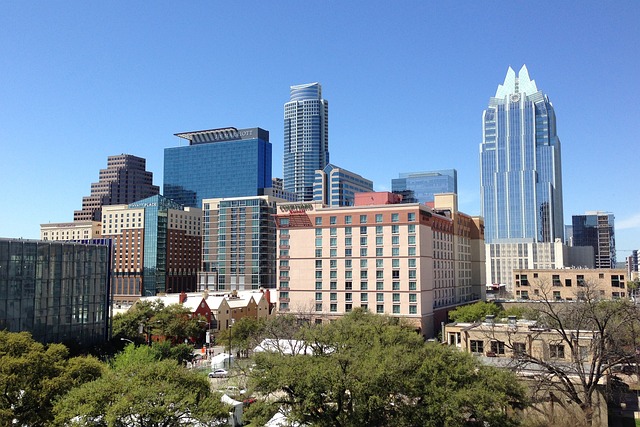
Austin's real estate market has been on a robust growth trajectory, presenting significant opportunities for businesses looking to expand their commercial footprint. The city's unique blend of a vibrant culture, a highly skilled workforce, and a business-friendly environment makes it an attractive destination for companies seeking to capitalize on new markets. Austin real estate, particularly in the commercial sector, has shown resilience and continued growth even amidst economic fluctuations, indicating a stable investment climate. With a strategic location at the crossroads of multiple major highways and a robust public transportation system, businesses in Austin benefit from excellent logistics for distribution and supply chain management. Moreover, the city's consistent job market growth and its status as a tech hub contribute to a strong economic backdrop that supports sustained demand for commercial spaces. For those considering an expansion, investing in Austin real estate could mean tapping into a thriving business ecosystem with potential for substantial returns on investment, positioning companies to leverage this dynamic and ever-evolving market.
Navigating Austin Real Estate: Understanding the Market Dynamics for Businesses

In the dynamic Austin real estate market, businesses looking for expansion opportunities must thoroughly understand the local market dynamics to make informed decisions. The city's unique blend of a booming tech industry, cultural diversity, and a high quality of life has created a robust demand for commercial spaces. This has led to a competitive landscape where properties often see rapid appreciation. For companies considering a foothold in Austin, it's crucial to analyze the balance between availability, cost, and location. The Austin real estate scene is characterized by its tight-knit business community and a real estate inventory that reflects the city's growth trajectory. With a strategic approach, businesses can leverage this market to not only expand but also to tap into the creative and innovative ecosystem that Austin offers.
Navigating the Austin commercial real estate market requires a deep dive into the latest trends and data. Factors such as employment rates, population growth, and infrastructure development are significant indicators of market health and potential for business expansion. Additionally, understanding the zoning laws, local regulations, and the various incentives available to businesses can provide a competitive edge. Prospective tenants or buyers must also consider the city's diverse neighborhoods, each with its own character and appeal, to find the most suitable location for their operational needs and business growth objectives. Engaging with local real estate experts who have a pulse on the ever-evolving Austin market is essential for businesses aiming to capitalize on the promising opportunities it presents.
Strategic Investments: Identifying High-Growth Areas in Austin for Commercial Ventures
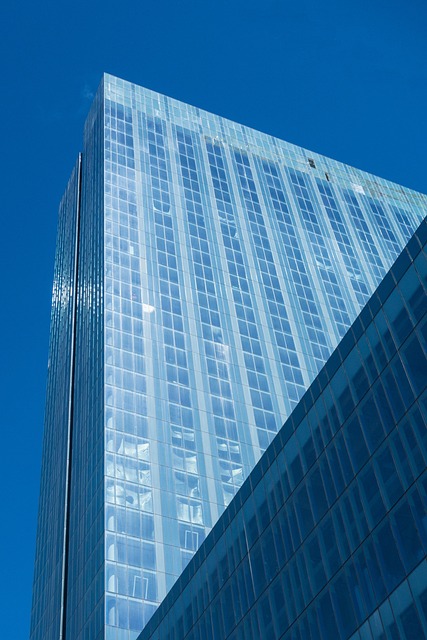
In the dynamic realm of commercial real estate, Austin's market presents a multitude of high-growth areas ripe for investment and business expansion. Austin real estate has consistently shown resilience and growth, making it an attractive destination for entrepreneurs and investors alike. Key factors such as a robust job market, a burgeoning tech industry, and a high quality of life contribute to the city's status as a hub for commercial opportunities. Strategic investments in areas like the South Congress Avenue (SoCo) district, known for its eclectic mix of retail, dining, and entertainment options, or the emerging tech corridors, can yield significant returns due to Austin's ongoing expansion and the influx of new residents and businesses. Additionally, the downtown area, with its central location and access to a diverse workforce, is another hotspot for commercial real estate development, offering opportunities for those looking to capitalize on Austin's vibrant business ecosystem.
When considering Austin real estate for commercial ventures, it's crucial to analyze market trends, demographic shifts, and local economic drivers. The North Austin area, with its proximity to major highways and a growing population, is a prime example of a high-growth region where businesses can thrive. Furthermore, the Domain and surrounding tech parks represent a nexus of commerce, technology, and lifestyle that continues to attract international attention and investment. Prospective investors should focus on areas with well-planned infrastructure, accessible amenities, and a community conducive to business success. By aligning with Austin's growth trajectory and leveraging the city's unique advantages, commercial real estate investments can lead to substantial rewards.
The Role of Technology and Innovation in Shaping Austin's CRE Opportunities

Austin's commercial real estate landscape is undergoing a significant transformation, driven by advancements in technology and innovation. The city's reputation as a tech hub, with major companies setting up shop and startups thriving, has catalyzed a demand for modern, tech-enabled workspaces. Austin real estate is adapting to this new paradigm by integrating smart building technologies, which not only enhance the energy efficiency of structures but also provide tenants with cutting-edge amenities and seamless connectivity. This evolution is evident in the rise of coworking spaces that offer flexible solutions for businesses looking to scale or explore new opportunities within the city. These spaces are equipped with high-speed internet, state-of-the-art conferencing facilities, and advanced security systems, making them attractive for entrepreneurs and established companies alike.
Moreover, Austin's commitment to fostering innovation is reflected in its strategic investments in infrastructure that support a knowledge-based economy. The city's real estate developers are exploring the use of virtual reality tours for property showcasing, big data analytics for market insights, and building information modeling (BIM) for more efficient construction processes. These technological integrations not only streamline operations but also attract businesses that prioritize innovation as a core value. As Austin continues to grow, its commercial real estate opportunities will likely expand further, offering diverse options for companies looking to capitalize on the city's vibrant tech ecosystem and the ongoing digital transformation.
Sustainable Development: Eco-Friendly Spaces as a Key Trend in Austin CRE
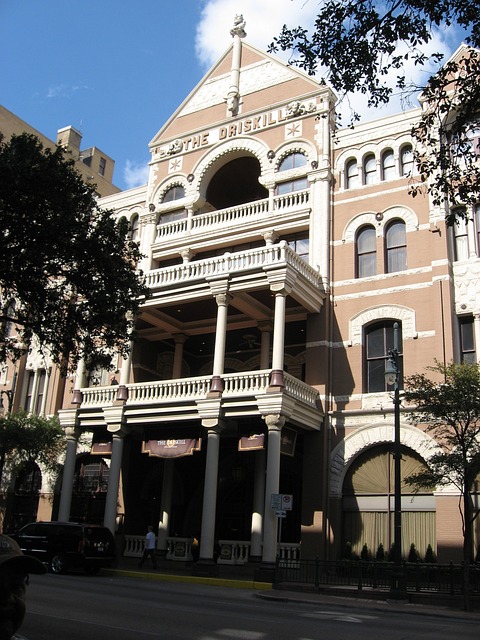
In recent years, the Austin commercial real estate landscape has seen a significant shift towards sustainability, with eco-friendly spaces becoming a key trend. This movement aligns with the city's vibrant culture and its commitment to environmental stewardship, evident in initiatives like the Austin Energy's Green Building Program. Developers and businesses are recognizing the long-term benefits of sustainable development, including reduced operational costs and enhanced brand reputation. The appeal of eco-friendly buildings is not confined solely to the environmental impact; they also offer a healthier work environment that can attract and retain top talent. Austin real estate is pioneering the use of green technologies, such as solar panels, water-saving systems, and energy-efficient designs, which contribute to lower carbon footprints and create resilient structures that stand the test of time. As businesses seek to expand within this thriving city, prioritizing sustainable development in commercial real estate is a strategic move that aligns with both economic and environmental goals.
The integration of sustainability into Austin's commercial real estate is not just about reducing environmental impact; it's also a response to market demands. Tenants and investors are increasingly valuing properties that demonstrate a commitment to environmental responsibility. This trend is evident in the high demand for LEED-certified buildings, which set rigorous standards for environmentally friendly construction. Austin real estate's evolution towards sustainability is poised to continue, with opportunities abound for businesses looking to establish a presence in forward-thinking, eco-conscious spaces. The city's reputation as a hub for innovation and technology further underscores the potential for growth within sustainable commercial real estate ventures, making it an attractive destination for companies seeking to expand their footprint responsibly.
Financing Your Expansion: Exploring Financial Options for Commercial Real Estate Investments in Austin

In the dynamic and growing market of Austin, Texas, commercial real estate (CRE) presents a fertile ground for businesses seeking expansion opportunities. With its robust economy and a steady influx of both residents and corporations, Austin's real estate landscape offers a diverse array of investment prospects that can cater to varying business needs and financial capabilities. Financing your expansion in this thriving city involves exploring a spectrum of financial options tailored to CRE investments. Traditional bank loans remain a popular choice, with local financial institutions offering competitive rates and flexible terms for well-planned projects. Additionally, Austin's real estate ecosystem has seen the emergence of alternative funding sources such as real estate investment trusts (REITs), private equity funds, and crowdfunding platforms that can provide the necessary capital for ambitious expansion plans. These alternatives are particularly attractive for businesses looking to navigate the complexities of the Austin market without the constraints of conventional banking regulations.
For those considering a foray into Austin's commercial real estate sector, it's crucial to engage with local experts and financial advisors who specialize in CRE financing. They can offer insights into the latest trends and provide guidance on structuring deals that align with your business goals. Furthermore, leveraging the expertise of these professionals ensures that you are well-informed about the available options, including government-sponsored programs and incentives designed to foster economic growth within the city. By carefully evaluating your financial position and exploring the myriad funding opportunities available in Austin's real estate market, businesses can strategically finance their expansion and capitalize on the city's continued growth trajectory.
Austin's real estate market presents a compelling array of opportunities for businesses looking to expand. With its dynamic economic landscape and strategic location, Austin stands out as an ideal hub for commercial growth. Prospective investors should take note of the market's trends, including technology and innovation, sustainable development, and the identification of high-growth areas. By understanding these factors and exploring various financing options, businesses can make informed decisions to leverage Austin real estate effectively. The city's robust market dynamics are poised to offer substantial returns for those who capitalize on its potential. As such, Austin's commercial real estate sector remains a vibrant stage for ambitious expansion plans, offering a blend of growth and resilience for businesses ready to make their mark.