
Austin Real Estate experiences robust growth driven by tech industry, job market, and community appeal. Urban living popular, with rising condo sales at $450K+; single-family housing faces inventory challenges. Key trends include sustainable development, demand for cultural hub residences, and technological advancements in property marketing. Population growth exceeding 1 million residents significantly increases housing demand and median home values. Diversifying portfolios, staying informed about demographic shifts, and leveraging data analytics are crucial for navigating Austin's dynamic market and making resilient investments.
In the dynamic landscape of Austin Real Estate, staying ahead of market trends is not just advantageous—it’s imperative for informed decision-making. As one of the fastest-growing metropolises in the US, Austin’s real estate market reflects its vibrant economy and unique lifestyle, presenting both opportunities and challenges. This article provides a comprehensive overview of current and projected market dynamics, equipping you with the insights needed to navigate this competitive yet promising environment naturally. By delving into key trends, forecasts, and expert analysis, we aim to empower investors, buyers, and sellers alike to make strategic choices that align with Austin’s evolving real estate tapestry.
- Unlocking Austin's Real Estate Trends: A Comprehensive Overview
- Forecasting the Future: Market Insights for Informed Decisions
- Analyzing Demographics: Understanding Austin's Growing Population
- Technological Impact: Digital Tools Shaping Local Real Estate
- Navigating Economic Fluctuations: Strategies for Stable Investments
Unlocking Austin's Real Estate Trends: A Comprehensive Overview

Austin’s real estate market has emerged as a dynamic force within the national landscape, attracting attention for its consistent growth and unique characteristics. This vibrant city has experienced significant trends over recent years, shaping the way property investors and buyers navigate the local scene. According to a report by the Austin Board of Realtors, the metropolitan area witnessed a 15% increase in home sales during the first quarter of 2023 compared to the previous year, outpacing national averages. This surge can be attributed to various factors, including a thriving tech industry, robust job market, and a strong sense of community that draws both millennials and families alike.
One notable trend is the increasing demand for urban living, with downtown Austin properties experiencing heightened interest. The city’s vibrant culture, world-class dining scene, and extensive network of trails and green spaces have made it an attractive destination for young professionals. This shift towards urban centers is reflected in rising condo sales and a competitive market for high-rise residences. For instance, the average condo price in Austin climbed to $450,000 in Q1 2023, reflecting a 10% year-over-year increase.
However, not all sectors of Austin real estate are experiencing equal growth. The single-family housing market has faced challenges due to limited inventory and rising construction costs. As a result, home prices have been relatively steady, providing an opportunity for savvy buyers. Experts suggest that those seeking affordable options might consider exploring surrounding neighborhoods or newer developments on the city’s outskirts. By staying informed about these micro-trends and keeping an eye on market fluctuations, investors and homebuyers can make well-informed decisions in Austin’s dynamic real estate environment.
Forecasting the Future: Market Insights for Informed Decisions

The future of Austin Real Estate is an intriguing prospect, with market trends painting a dynamic picture. Recent data indicates a steady rise in population growth, driving demand for both residential and commercial spaces. This surge can be attributed to Austin’s thriving tech industry, which continues to attract talent from across the globe. As a result, the city’s real estate landscape is undergoing significant transformations, presenting both opportunities and challenges for investors and developers alike.
Forecasting these trends is essential for making informed decisions in the Austin market. Experts predict that sustainable development will be a key focus, with an emphasis on eco-friendly designs and smart infrastructure. For instance, the city’s growing emphasis on green spaces and walkable communities reflects a conscious effort to balance urban growth with environmental stewardship. This trend could significantly influence property values, with eco-conscious buildings potentially commanding premium rates. Additionally, Austin’s reputation as a cultural hub is expected to bolster its appeal, particularly among younger demographics, driving up demand for unique residential properties in hipster neighborhoods.
To leverage these insights, investors should consider diversifying their portfolios by exploring niche markets. For example, investing in mixed-use developments that combine residential and retail spaces could capitalize on the city’s vibrant lifestyle. Furthermore, staying informed about local government initiatives and zoning changes is vital. By keeping abreast of policy updates, developers can anticipate future trends and secure advantageous positions in emerging sectors. Austin Real Estate offers a compelling narrative for those willing to embrace its evolving nature, and by interpreting market signals accurately, stakeholders can navigate this dynamic environment with confidence.
Analyzing Demographics: Understanding Austin's Growing Population
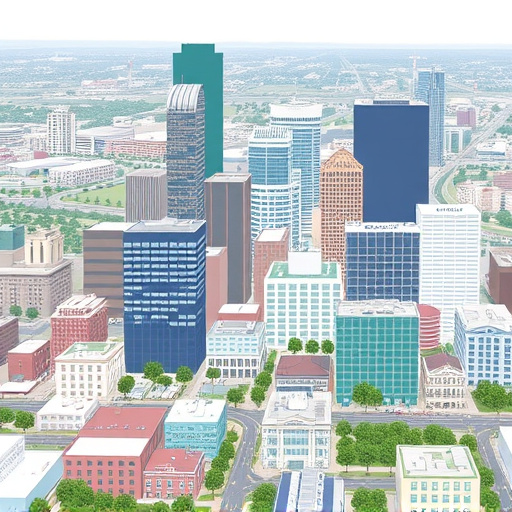
Austin’s vibrant growth over the past decade has significantly shaped its real estate landscape, making it one of the fastest-growing major metropolitan areas in the U.S. According to recent census data, Austin’s population surged past 1 million residents, with an annual growth rate averaging around 3%. This influx is largely driven by a diverse range of factors, including a thriving tech industry, attractive quality of life, and robust educational institutions like the University of Texas at Austin.
Demographic analysis plays a pivotal role in understanding this trend and its implications for Austin Real Estate. The city’s population is characterized by a relatively young age profile, with a high concentration of millennials and Gen Xers, many of whom are drawn to the city’s vibrant culture, career opportunities, and affordable housing options compared to other tech hubs. This demographic shift has directly influenced housing demand, pushing up prices across various sectors, from urban lofts to suburban family homes. For instance, the median home value in Austin increased by over 40% between 2015 and 2020, reflecting the tight supply of properties relative to the growing population.
Navigating these demographic trends requires a keen awareness of emerging neighborhoods and changing consumer preferences. Real estate professionals must stay attuned to shifts in lifestyle demands, such as an increased focus on walkability, green spaces, and mixed-use developments that blend residential with retail or commercial elements. Understanding these dynamics allows developers and investors to capitalize on emerging opportunities while providing housing solutions tailored to Austin’s evolving population profile. By embracing these insights, the city can ensure its real estate market remains vibrant, accommodating both established residents and new arrivals seeking the unique charm of Austin.
Technological Impact: Digital Tools Shaping Local Real Estate

The technological revolution has undoubtedly left its mark on various industries, and Austin Real Estate is no exception. Digital tools have become an indispensable part of the real estate landscape, transforming how properties are marketed, searched, and transacted upon. One notable impact is the rise of online property listings and virtual tours, which have significantly altered consumer behavior. According to recent data, over 90% of home buyers start their search online, and this digital shift has prompted local real estate professionals in Austin to adapt their strategies accordingly. For instance, many agents now offer 3D virtual walkthroughs, enabling prospective buyers from across the country—and even internationally—to explore properties as if they were physically present.
Furthermore, advanced data analytics and property valuation tools have empowered both buyers and sellers. Real estate platforms utilize machine learning algorithms to predict market trends and provide personalized recommendations, ensuring that Austin’s diverse neighborhoods, from the vibrant South Congress to the tech-hubbed North Austin, remain competitive yet accessible. This technological advancement allows buyers to make informed decisions based on detailed insights into property values, growth potential, and surrounding amenities. As the digital space continues to evolve, real estate professionals in this thriving market must stay agile, embracing new tools like augmented reality for enhanced client experiences.
The future of Austin Real Estate promises further innovation, with an increasing emphasis on digital platforms and data-driven decision-making. Local agents who invest in these technologies will likely gain a competitive edge, especially as the city’s population grows and demands more efficient property search methods. Staying abreast of technological trends is not just advisable but essential for success in this dynamic market.
Navigating Economic Fluctuations: Strategies for Stable Investments

Navigating Economic Fluctuations: Strategies for Stable Investments in Austin Real Estate
Economic fluctuations are an inevitable part of any real estate market, including Austin’s dynamic landscape. While volatility can present challenges, it also offers opportunities for savvy investors who adapt their strategies accordingly. Understanding historical trends and predicting future movements is crucial, but equally important is adopting flexible approaches that allow for swift adjustments. In recent years, Austin has experienced significant growth, with property values rising steadily due to a thriving tech sector and a robust job market. However, this upswing isn’t immune to economic shifts; recessions, interest rate changes, and market corrections are all potential disruptions that can impact investment returns.
To navigate these fluctuations effectively, investors should focus on diversifying their portfolios. In Austin Real Estate, this might mean balancing investments across different property types—from residential to commercial spaces—and geographic locations within the city. For instance, while prime downtown areas may be susceptible to economic downturns, suburbs or up-and-coming neighborhoods could offer more stability. Additionally, maintaining a watchful eye on demographic changes and urban development plans is essential. Austin’s growing population and increasing demand for housing have driven market growth, but shifts in these trends can impact property values over time. Investors who stay informed about city initiatives and future projections can make more informed decisions.
Another strategy involves leveraging data analytics to identify emerging trends. By studying historical sales data, rental rates, and market trends, investors can anticipate potential upsurges or dips. For example, tracking occupancy rates in commercial properties or analyzing price appreciation in specific neighborhoods over the long term can provide valuable insights. Furthermore, staying connected with local real estate experts and attending industry events allows for firsthand knowledge of market dynamics. These strategies enable Austin real estate investors to make informed choices, ensuring their portfolios remain resilient during economic fluctuations.
The article offers an in-depth exploration of Austin Real Estate trends, providing valuable insights for investors and stakeholders. By analyzing demographic shifts, technological advancements, economic fluctuations, and market dynamics, readers gain a comprehensive understanding of the city’s real estate landscape. Key takeaways include the growing demand for tech-savvy properties, the city’s robust population expansion, and the impact of digital tools in streamlining transactions. Navigating economic ups and downs requires strategic planning, emphasizing the need to stay informed and adaptable. This authority piece equips readers with actionable knowledge, enabling them to make informed decisions in Austin’s dynamic real estate market, ensuring success and stability in their investments.