Austin Real Estate: A Comprehensive Analysis
Introduction
Real estate in Austin, Texas, has been a dynamic and rapidly evolving sector for decades. Its significance extends beyond local borders, influencing economic growth, urban development, and the lifestyle of its residents. This article delves into the multifaceted world of Austin real estate, examining its historical context, current trends, and future prospects. We will explore its global impact, economic considerations, technological advancements, policy frameworks, challenges, and successful case studies. By the end of this exploration, readers will have a nuanced understanding of the intricacies and importance of Austin’s real estate market.
Understanding Austin Real Estate
Austin real estate encompasses residential homes, commercial spaces, land development, and property investment within the city of Austin and its metropolitan area. The region is known for its robust job market, particularly in technology and innovation, which drives demand for housing and commercial properties. Austin’s real estate has seen significant growth, with a mix of historical neighborhoods and modern developments that reflect its diverse economy and cultural heritage.
Historically, Austin’s real estate has been shaped by several factors: the city’s natural beauty, its status as the state capital, and its position as a technology hub. The University of Texas at Austin has also played a role in fostering innovation and attracting talent that contributes to the local economy and real estate market.
Global Impact and Trends
The influence of Austin’s real estate extends beyond its borders. International investors are drawn to the city’s stable economic climate, educated workforce, and quality of life. Key trends shaping the trajectory of Austin real estate include:
- A rise in tech companies setting up offices or relocating their headquarters.
- An influx of remote workers from across the globe choosing to live in Austin.
- The development of mixed-use spaces that blend residential, commercial, and recreational facilities.
Different regions are affected by Austin’s real estate trends, with international capital flows and cross-border investment becoming more prevalent.
Economic Considerations
The economic aspects of Austin real estate are multifaceted. Market dynamics include supply and demand imbalances, pricing volatility, and the influence of external economic factors. Investment patterns reflect a mix of local, national, and international capital, with a preference for high-growth areas and properties with potential for appreciation.
Austin’s real estate contributes significantly to the local economy by creating jobs in construction, real estate services, and property management. It also attracts businesses looking for a skilled workforce and a thriving business environment.
Technological Advancements
Technology has transformed Austin real estate, from virtual tours and blockchain-based transactions to smart home technologies and data analytics for market insights. The impact of these advancements includes:
- Enhanced efficiency in property transactions and management.
- Improved market predictions through data analysis.
- Greater security and convenience for property owners and tenants.
The future potential of technology in real estate is vast, with innovations expected to further personalize the buying and selling experience and streamline operations.
Policy and Regulation
Austin’s real estate market is governed by a complex set of policies and regulations that aim to balance growth with sustainability and affordability. Key governance factors include:
- Land use planning and zoning laws.
- Housing affordability programs and initiatives.
- Environmental regulations and green building standards.
These policies influence development patterns, property values, and the overall health of the real estate market in Austin.
Challenges and Criticisms
Austin’s real estate faces several challenges, including housing affordability, infrastructure strain, and preserving historical neighborhoods. Critics point to rapid gentrification and displacement of long-time residents as significant issues that need addressing. Strategies to overcome these challenges include:
- Implementing affordable housing programs.
- Investing in transportation and public works infrastructure.
- Encouraging mixed-income communities.
By addressing these challenges, Austin can continue to grow sustainably and equitably.
Case Studies
Several case studies exemplify the successes and lessons learned from Austin’s real estate endeavors. Notable examples include:
- The redevelopment of the Seaholm Power Plant District into a mixed-use space.
- The transformation of the Rainey Street District into a vibrant urban neighborhood.
- The creation of the Mueller development on the site of the former Austin Municipal Airport.
These case studies highlight the potential for successful real estate projects that contribute to the city’s economic and cultural fabric.
Future Prospects
Looking ahead, Austin’s real estate market is poised for continued growth. Potential growth areas include:
- Expansion of tech industry campuses.
- Development of new residential communities.
- Continued investment in public transportation systems.
Emerging trends to watch include the rise of sustainable building practices and the potential for Austin to become a model for smart city living.
Conclusion
Austin real estate is a dynamic and integral part of the city’s economic landscape. Its growth, driven by technological innovation, a vibrant job market, and forward-thinking policies, positions it as a leader in real estate development. By addressing its challenges and embracing future opportunities, Austin’s real estate market will continue to thrive and contribute to the overall prosperity of the city.
Additional Tables and Figures
[Table 1: Recent Real Estate Market Trends in Austin]
- Median Home Prices Over Time
- Job Growth Rates in Key Industries
- Population Growth and Migration Patterns
[Figure 1: Map of Major Development Projects in Austin]
- Figure 2: Graph Showing Year-Over-Year Real Estate Investment Trends
- Figure 3: Infographic on Sustainable Building Practices in Austin
The report concludes with a call to action for stakeholders to collaborate on ensuring that the growth of Austin’s real estate market is sustainable, inclusive, and beneficial for all residents. With careful planning and thoughtful implementation of policies and regulations, Austin can continue to be a shining example of urban development done right.
Selling in Austin Real Estate? Strategize. Stage, repair, enhance curb appeal, declutter, paint neutral colors, and stage rooms for online allure. Utilize high-quality photography and virtual tours to boost online presence by 10-15%. Leverage social media influencers or experts for wider reach in Austin's competitive market. Compete successfully by aligning properties with tech-driven comfort and investment opportunities.
In the dynamic Austin real estate market, selling your home can feel like navigating a competitive race. To ensure top dollar and swift sales, understanding how to enhance your property’s appeal is crucial. This article serves as your authoritative guide, offering proven tips and insights to elevate your home’s market value in today’s bustling Austin landscape. By implementing these strategies, you’ll position your residence as a standout contender, attracting discerning buyers eager to call Austin’s vibrant communities home. Let’s delve into the secrets to successful home selling in this competitive market.
Prepare and Stage Your Austin Home for Maximum Appeal
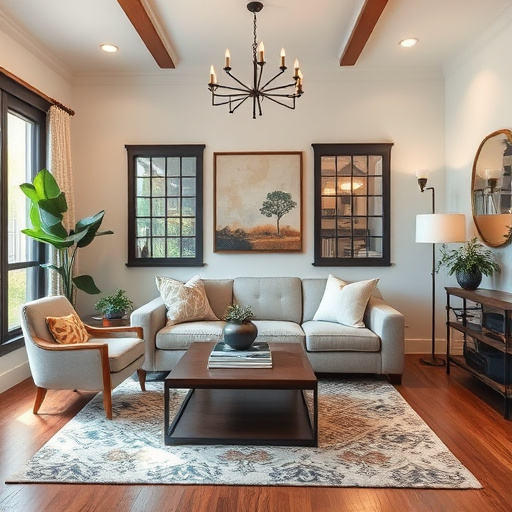
Selling your home in Austin requires a strategic approach to capture the interest of potential buyers within a competitive real estate market. One of the most effective ways to achieve this is by preparing and staging your property, ensuring it presents as appealing and desirable as possible. The Austin real estate market is known for its vibrancy and diversity, with buyers seeking unique yet functional spaces. Therefore, a well-prepared home can significantly enhance your selling prospects.
When getting your home ready for the market, focus on both curb appeal and interior presentation. Start by addressing any necessary repairs to ensure the property is in move-in condition. Fix faulty fixtures, replace worn-out items, and tend to any landscaping to create a welcoming exterior. In Austin, where many buyers are attracted to the city’s vibrant culture and outdoor spaces, a well-manicured yard or balcony with attractive planting can make a significant difference. Internally, de-clutter each room, focusing on creating open, inviting spaces. Consider painting neutral colors to appeal to a broader range of buyers, while still allowing for personal touches through décor. Staging is an art; arrange furniture to showcase the floor plan’s best features, ensuring every room has a clear purpose and visual interest. For example, in larger homes, showcasing the entertaining areas and highlighting the abundance of natural light can be particularly effective.
Furthermore, technology plays a vital role in modern real estate. Utilize digital tools to enhance your home’s online presence. High-quality photography is essential; it should showcase every room, emphasizing unique features and architectural details. Consider hiring a professional photographer to ensure your listing stands out on real estate platforms. Additionally, virtual tours can provide prospective buyers with a comprehensive view of the property, offering convenience and accessibility during the current digital era. By combining these strategies, you’ll be well-prepared to navigate Austin’s competitive market and attract eager buyers.
Marketing Strategies for Success in Austin Real Estate

In the competitive Austin Real Estate market, effective marketing strategies are paramount to selling your home swiftly and for top dollar. A successful campaign involves a nuanced understanding of local trends, targeted advertising, and leveraging digital platforms to reach a broader audience. For instance, recognizing Austin’s tech-driven culture allows you to position your property as both a comfortable residence and an attractive investment opportunity, appealing to potential buyers seeking a balanced lifestyle within a thriving metropolis.
Visual content is a game-changer in modern real estate marketing. High-quality photography and 3D virtual tours allow buyers to immerse themselves in your home’s aesthetics and layout, fostering a deeper connection from the outset. Additionally, incorporating video walkthroughs can showcase a property’s unique features and energy, enhancing its market appeal. According to recent data, homes listed with professional photography sell faster and for approximately 10-15% more than those without.
Social media plays a significant role in Austin Real Estate marketing. Platforms like Instagram and Facebook offer powerful tools to engage buyers and showcase your property’s character. Curated content featuring the neighborhood’s amenities, local attractions, and community events can attract interested individuals who align with the city’s vibrant culture. Collaborating with social media influencers or real estate experts for sponsored posts can further amplify your listing’s reach. By harnessing these strategies, you can effectively navigate Austin’s competitive market, ensuring your home stands out in a sea of attractive listings.
Selling a home in Austin Real Estate requires a strategic approach that combines thorough preparation and innovative marketing. By staging your property to maximize appeal, you can significantly enhance its marketability. This includes decluttering, enhancing curb appeal, and strategically arranging furniture to create inviting spaces. In terms of marketing, leveraging digital platforms, hosting open houses, and collaborating with a reputable real estate agent are proven strategies to attract buyers. Additionally, highlighting unique Austin features and showcasing the city’s vibrant lifestyle can set your home apart in a competitive market. These tips, when applied effectively, empower sellers to successfully navigate Austin Real Estate and achieve their selling goals.