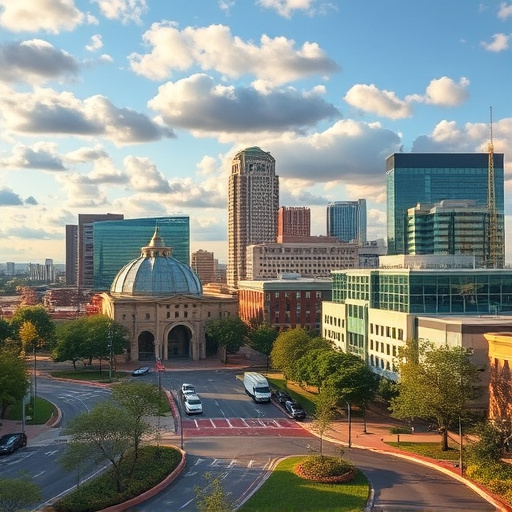
Austin Real Estate: A Comprehensive Analysis
Introduction
Real estate in Austin, Texas, has been a dynamic and rapidly evolving sector for decades. Its significance extends beyond local borders, influencing economic growth, urban development, and the lifestyle of its residents. This article delves into the multifaceted world of Austin real estate, examining its historical context, current trends, and future prospects. We will explore its global impact, economic considerations, technological advancements, policy frameworks, challenges, and successful case studies. By the end of this exploration, readers will have a nuanced understanding of the intricacies and importance of Austin’s real estate market.
Understanding Austin Real Estate
Austin real estate encompasses residential homes, commercial spaces, land development, and property investment within the city of Austin and its metropolitan area. The region is known for its robust job market, particularly in technology and innovation, which drives demand for housing and commercial properties. Austin’s real estate has seen significant growth, with a mix of historical neighborhoods and modern developments that reflect its diverse economy and cultural heritage.
Historically, Austin’s real estate has been shaped by several factors: the city’s natural beauty, its status as the state capital, and its position as a technology hub. The University of Texas at Austin has also played a role in fostering innovation and attracting talent that contributes to the local economy and real estate market.
Global Impact and Trends
The influence of Austin’s real estate extends beyond its borders. International investors are drawn to the city’s stable economic climate, educated workforce, and quality of life. Key trends shaping the trajectory of Austin real estate include:
- A rise in tech companies setting up offices or relocating their headquarters.
- An influx of remote workers from across the globe choosing to live in Austin.
- The development of mixed-use spaces that blend residential, commercial, and recreational facilities.
Different regions are affected by Austin’s real estate trends, with international capital flows and cross-border investment becoming more prevalent.
Economic Considerations
The economic aspects of Austin real estate are multifaceted. Market dynamics include supply and demand imbalances, pricing volatility, and the influence of external economic factors. Investment patterns reflect a mix of local, national, and international capital, with a preference for high-growth areas and properties with potential for appreciation.
Austin’s real estate contributes significantly to the local economy by creating jobs in construction, real estate services, and property management. It also attracts businesses looking for a skilled workforce and a thriving business environment.
Technological Advancements
Technology has transformed Austin real estate, from virtual tours and blockchain-based transactions to smart home technologies and data analytics for market insights. The impact of these advancements includes:
- Enhanced efficiency in property transactions and management.
- Improved market predictions through data analysis.
- Greater security and convenience for property owners and tenants.
The future potential of technology in real estate is vast, with innovations expected to further personalize the buying and selling experience and streamline operations.
Policy and Regulation
Austin’s real estate market is governed by a complex set of policies and regulations that aim to balance growth with sustainability and affordability. Key governance factors include:
- Land use planning and zoning laws.
- Housing affordability programs and initiatives.
- Environmental regulations and green building standards.
These policies influence development patterns, property values, and the overall health of the real estate market in Austin.
Challenges and Criticisms
Austin’s real estate faces several challenges, including housing affordability, infrastructure strain, and preserving historical neighborhoods. Critics point to rapid gentrification and displacement of long-time residents as significant issues that need addressing. Strategies to overcome these challenges include:
- Implementing affordable housing programs.
- Investing in transportation and public works infrastructure.
- Encouraging mixed-income communities.
By addressing these challenges, Austin can continue to grow sustainably and equitably.
Case Studies
Several case studies exemplify the successes and lessons learned from Austin’s real estate endeavors. Notable examples include:
- The redevelopment of the Seaholm Power Plant District into a mixed-use space.
- The transformation of the Rainey Street District into a vibrant urban neighborhood.
- The creation of the Mueller development on the site of the former Austin Municipal Airport.
These case studies highlight the potential for successful real estate projects that contribute to the city’s economic and cultural fabric.
Future Prospects
Looking ahead, Austin’s real estate market is poised for continued growth. Potential growth areas include:
- Expansion of tech industry campuses.
- Development of new residential communities.
- Continued investment in public transportation systems.
Emerging trends to watch include the rise of sustainable building practices and the potential for Austin to become a model for smart city living.
Conclusion
Austin real estate is a dynamic and integral part of the city’s economic landscape. Its growth, driven by technological innovation, a vibrant job market, and forward-thinking policies, positions it as a leader in real estate development. By addressing its challenges and embracing future opportunities, Austin’s real estate market will continue to thrive and contribute to the overall prosperity of the city.
Additional Tables and Figures
[Table 1: Recent Real Estate Market Trends in Austin]
- Median Home Prices Over Time
- Job Growth Rates in Key Industries
- Population Growth and Migration Patterns
[Figure 1: Map of Major Development Projects in Austin]
- Figure 2: Graph Showing Year-Over-Year Real Estate Investment Trends
- Figure 3: Infographic on Sustainable Building Practices in Austin
The report concludes with a call to action for stakeholders to collaborate on ensuring that the growth of Austin’s real estate market is sustainable, inclusive, and beneficial for all residents. With careful planning and thoughtful implementation of policies and regulations, Austin can continue to be a shining example of urban development done right.
Exploring Austin neighborhoods is key to finding your perfect home in Austin Real Estate. Consider your lifestyle when evaluating amenities like recreational facilities, dining options, and safe walking/bike paths. Also look for proximity to schools, public transport, and pet-friendly spaces for a convenient, appealing community fit.
Discover the heart of Austin through a journey of its diverse neighborhoods. In this guide, we explore local secrets and amenities that shape each area’s unique character. From vibrant bustling scenes to tranquil nests, understanding these aspects is key to finding your perfect Austin real estate fit. Uncover hidden gems, top-rated schools, and community facilities that make each neighborhood a testament to the city’s diverse appeal.
Exploring Austin Neighborhoods: Unlocking Local Secrets

Exploring Austin neighborhoods is like unlocking a local secrets treasure map for prospective homebuyers. This vibrant city offers a diverse range of areas, each with its own unique character and amenities that cater to various lifestyles. From the trendy and bustling downtown to the laid-back and artistic South Congress, every neighborhood tells a story.
When diving into Austin real estate, consider what matters most: proximity to top-rated schools, easy access to outdoor adventures like Lady Bird Lake or Zilker Park, or perhaps the buzz of local restaurants and cafes. Uncovering these hidden gems within each neighborhood can help you find not just a home but a community that aligns perfectly with your lifestyle and aspirations.
Amenities That Define Your Ideal Community Fit

When exploring Austin Real Estate, understanding the amenities that align with your lifestyle is key to finding your perfect community fit. Think beyond the basic necessities like grocery stores and parks; consider recreational facilities such as fitness centers, swimming pools, or community gardens that cater to your active or green-thumbed side.
The ideal neighborhood also offers a variety of dining options, cultural events, and safe walking paths or bike lanes for those who prioritize health and wellness. Access to public transportation, nearby schools, and pet-friendly spaces can also significantly influence your decision, ensuring you have all the conveniences needed to thrive in your new community.
When searching for your dream home in Austin real estate, understanding neighborhood insights and amenities is key. By exploring local secrets and identifying what truly defines your ideal community fit, you can find the perfect area that aligns with your lifestyle and needs. Embrace the unique character of each neighborhood and unlock a world of opportunities right at your doorstep.