
Austin Real Estate: A Comprehensive Analysis
Introduction
Real estate in Austin, Texas, has been a dynamic and rapidly evolving sector for decades. Its significance extends beyond local borders, influencing economic growth, urban development, and the lifestyle of its residents. This article delves into the multifaceted world of Austin real estate, examining its historical context, current trends, and future prospects. We will explore its global impact, economic considerations, technological advancements, policy frameworks, challenges, and successful case studies. By the end of this exploration, readers will have a nuanced understanding of the intricacies and importance of Austin’s real estate market.
Understanding Austin Real Estate
Austin real estate encompasses residential homes, commercial spaces, land development, and property investment within the city of Austin and its metropolitan area. The region is known for its robust job market, particularly in technology and innovation, which drives demand for housing and commercial properties. Austin’s real estate has seen significant growth, with a mix of historical neighborhoods and modern developments that reflect its diverse economy and cultural heritage.
Historically, Austin’s real estate has been shaped by several factors: the city’s natural beauty, its status as the state capital, and its position as a technology hub. The University of Texas at Austin has also played a role in fostering innovation and attracting talent that contributes to the local economy and real estate market.
Global Impact and Trends
The influence of Austin’s real estate extends beyond its borders. International investors are drawn to the city’s stable economic climate, educated workforce, and quality of life. Key trends shaping the trajectory of Austin real estate include:
- A rise in tech companies setting up offices or relocating their headquarters.
- An influx of remote workers from across the globe choosing to live in Austin.
- The development of mixed-use spaces that blend residential, commercial, and recreational facilities.
Different regions are affected by Austin’s real estate trends, with international capital flows and cross-border investment becoming more prevalent.
Economic Considerations
The economic aspects of Austin real estate are multifaceted. Market dynamics include supply and demand imbalances, pricing volatility, and the influence of external economic factors. Investment patterns reflect a mix of local, national, and international capital, with a preference for high-growth areas and properties with potential for appreciation.
Austin’s real estate contributes significantly to the local economy by creating jobs in construction, real estate services, and property management. It also attracts businesses looking for a skilled workforce and a thriving business environment.
Technological Advancements
Technology has transformed Austin real estate, from virtual tours and blockchain-based transactions to smart home technologies and data analytics for market insights. The impact of these advancements includes:
- Enhanced efficiency in property transactions and management.
- Improved market predictions through data analysis.
- Greater security and convenience for property owners and tenants.
The future potential of technology in real estate is vast, with innovations expected to further personalize the buying and selling experience and streamline operations.
Policy and Regulation
Austin’s real estate market is governed by a complex set of policies and regulations that aim to balance growth with sustainability and affordability. Key governance factors include:
- Land use planning and zoning laws.
- Housing affordability programs and initiatives.
- Environmental regulations and green building standards.
These policies influence development patterns, property values, and the overall health of the real estate market in Austin.
Challenges and Criticisms
Austin’s real estate faces several challenges, including housing affordability, infrastructure strain, and preserving historical neighborhoods. Critics point to rapid gentrification and displacement of long-time residents as significant issues that need addressing. Strategies to overcome these challenges include:
- Implementing affordable housing programs.
- Investing in transportation and public works infrastructure.
- Encouraging mixed-income communities.
By addressing these challenges, Austin can continue to grow sustainably and equitably.
Case Studies
Several case studies exemplify the successes and lessons learned from Austin’s real estate endeavors. Notable examples include:
- The redevelopment of the Seaholm Power Plant District into a mixed-use space.
- The transformation of the Rainey Street District into a vibrant urban neighborhood.
- The creation of the Mueller development on the site of the former Austin Municipal Airport.
These case studies highlight the potential for successful real estate projects that contribute to the city’s economic and cultural fabric.
Future Prospects
Looking ahead, Austin’s real estate market is poised for continued growth. Potential growth areas include:
- Expansion of tech industry campuses.
- Development of new residential communities.
- Continued investment in public transportation systems.
Emerging trends to watch include the rise of sustainable building practices and the potential for Austin to become a model for smart city living.
Conclusion
Austin real estate is a dynamic and integral part of the city’s economic landscape. Its growth, driven by technological innovation, a vibrant job market, and forward-thinking policies, positions it as a leader in real estate development. By addressing its challenges and embracing future opportunities, Austin’s real estate market will continue to thrive and contribute to the overall prosperity of the city.
Additional Tables and Figures
[Table 1: Recent Real Estate Market Trends in Austin]
- Median Home Prices Over Time
- Job Growth Rates in Key Industries
- Population Growth and Migration Patterns
[Figure 1: Map of Major Development Projects in Austin]
- Figure 2: Graph Showing Year-Over-Year Real Estate Investment Trends
- Figure 3: Infographic on Sustainable Building Practices in Austin
The report concludes with a call to action for stakeholders to collaborate on ensuring that the growth of Austin’s real estate market is sustainable, inclusive, and beneficial for all residents. With careful planning and thoughtful implementation of policies and regulations, Austin can continue to be a shining example of urban development done right.
Understanding various mortgage options is crucial for navigating Austin's competitive real estate market. Conventional loans offer lower interest rates but higher down payments, while government-backed FHA and VA loans provide easier access for first-time buyers with flexible terms. Jumbo loans cater to high-value properties, and alternative financing like ARMs, construction loans, and startup programs cater to diverse buyer needs. Evaluating financial health, consulting lenders, researching the market, and working with real estate agents ensures a strategic approach to securing your dream home in Austin.
Looking to secure a mortgage for your dream home in Austin Real Estate? Navigating the financing landscape can be daunting, but understanding your options is key. This guide breaks down traditional mortgages and alternative financing routes tailored to Austin’s unique market. From conventional loans to innovative solutions, we’ll walk you through each step, empowering you to make informed decisions and lock in your perfect property.
Understanding Mortgage Basics for Austin Real Estate

When it comes to purchasing Austin real estate, understanding mortgage basics is crucial. A mortgage is a loan used to finance the purchase of property, and it’s one of the most common ways to secure funding for your dream home in Austin. The loan is secured against the value of the property, meaning the lender has a financial interest in the asset until the loan is repaid.
In Austin real estate market, there are various mortgage options available. These include conventional loans, FHA loans, VA loans, and jumbo loans, each with its own set of requirements, interest rates, and benefits. Conventional loans typically require a higher down payment but offer competitive interest rates. FHA and VA loans are government-backed and offer lower down payments, making homeownership more accessible to first-time buyers. Jumbo loans cater to high-value properties and often come with flexible terms but may require substantial down payments. Understanding these options is key to finding the best mortgage fit for your Austin real estate purchase.
Traditional Mortgages: The Conventional Path
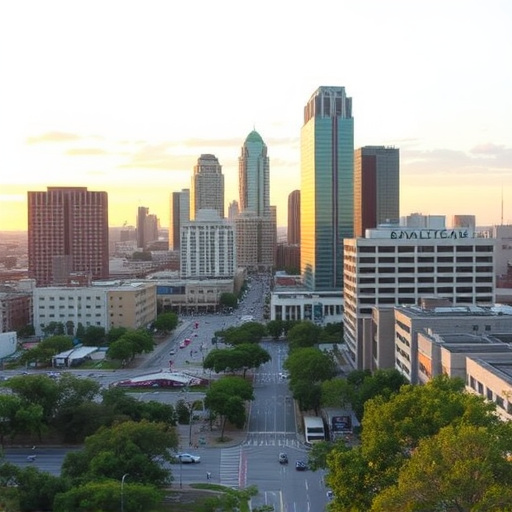
In the vibrant and competitive Austin real estate market, understanding your financing options is key to securing your dream home. Traditional mortgages remain a conventional path for many homebuyers. These loans are backed by government agencies like Fannie Mae or Freddie Mac, making them widely available and often appealing due to their fixed interest rates and predictable monthly payments. With down payment requirements typically ranging from 3.5% to 20%, traditional mortgages offer flexibility in terms of affordability.
For Austin residents, exploring these conventional loans can be a strategic move, especially with the city’s thriving economy and robust real estate market. Whether you’re a first-time buyer or looking to refinance, understanding the terms and conditions associated with traditional mortgages is essential. This includes credit score requirements, loan limits, and potential fees, ensuring you make an informed decision tailored to your financial capabilities and Austin real estate goals.
Alternative Financing Options in Austin's Market

In the dynamic Austin real estate market, understanding alternative financing options can be a game-changer for prospective homebuyers. Beyond traditional mortgages, several innovative approaches cater to diverse financial needs and life stages. For instance, government-backed loans like FHA or VA options provide accessible entry points, particularly beneficial for first-time buyers or veterans. These programs often require lower down payments, making homeownership more attainable in Austin’s competitive market.
Additionally, adjustable-rate mortgages (ARMs) offer initial lower interest rates, providing temporary relief from monthly expenses. This option is ideal for folks who plan to sell or refinance within a few years. Furthermore, construction loans are tailored for buyers undertaking renovation projects, allowing them to finance both the acquisition and remodeling simultaneously. Austin’s growing popularity as a tech hub has also led to the emergence of startup-focused financing programs, catering to young professionals with non-traditional employment histories.
Steps to Secure Your Dream Home in Austin

Securing your dream home in Austin starts with thorough preparation and strategic planning. Begin by assessing your financial situation, ensuring excellent credit scores, and confirming your income stability. Consult with a mortgage lender who can guide you through the various loan options available in the Austin real estate market, helping you choose the best fit based on your needs and budget.
Next, research the Austin housing market to understand current trends, property values, and competitive pricing. Work with a knowledgeable real estate agent who can provide insights and assist in finding suitable properties matching your preferences and requirements. Throughout this process, maintain open communication with your lender and agent to ensure a smooth transition from pre-approval to closing on your desired Austin residence.
Securing a mortgage for your dream home in Austin Real Estate market is an exciting yet challenging journey. By understanding mortgage basics and exploring both conventional and alternative financing options, you’re well-equipped to make informed decisions. Follow the outlined steps, stay proactive in your search, and take advantage of available resources to turn your homeownership dreams into reality. Remember, with the right approach, owning a piece of Austin’s vibrant tapestry is within reach.