
Austin Real Estate is a thriving hub for commercial expansion, attracting businesses nationwide due to its strong tech sector, educated population, and 7% year-over-year increase in commercial values. Key strategies for success include targeting emerging submarkets like South Austin and The Domain, investing in sustainable properties, focusing on leasing over purchasing, relocating to central districts, vertical expansion, and diversifying customer bases. Understanding local zoning, financial aspects, and staying updated on trends are crucial considerations for maximizing ROI in this dynamic market.
In today’s dynamic business landscape, commercial real estate plays a pivotal role in driving growth and success. Austin, known for its thriving economy and diverse industries, presents an abundant array of opportunities for expansion. However, navigating the complex world of Austin Real Estate can be challenging, especially for businesses seeking to establish or expand their presence. This article offers an authoritative guide, exploring strategic commercial real estate opportunities tailored to Austin’s vibrant market. We provide valuable insights and practical advice to help business leaders make informed decisions, ensuring a solid foundation for their future success in this dynamic city.
- Understanding Austin Real Estate Market Trends
- Identifying Expansion Strategies for Businesses
- Evaluating Commercial Properties in Austin
- Navigating Legal and Financial Aspects
- Case Studies: Successful Business Expansions
- Maximizing Return on Investment in Austin Real Estate
Understanding Austin Real Estate Market Trends

The Austin real estate market has emerged as a dynamic and increasingly attractive destination for commercial expansion, drawing businesses from across the nation. Understanding this market’s unique trends is crucial for any company considering a strategic move or growth into new areas. Over the past decade, Austin has experienced a significant surge in demand for office, retail, and industrial spaces, driven by its thriving tech sector and young, educated population. This rapid development has resulted in limited inventory and rising prices, making it a competitive environment for businesses aiming to secure prime locations.
According to recent reports, Austin’s commercial real estate market demonstrated remarkable resilience during the COVID-19 pandemic, with a 20% increase in occupancy rates across various sectors. The city’s reputation as a tech hub has solidified its position as one of the top destinations for startups and established companies alike. For instance, the growth of major tech giants like Dell, Apple, and Amazon in Austin has not only spurred economic development but also heightened competition for high-quality real estate. As a result, property values have been on an upward trend, with office spaces in prime areas selling at premium prices.
To capitalize on these trends, businesses should focus on securing strategic locations within the city’s emerging submarkets. South Austin and the Domain area have experienced significant growth, attracting tech startups and established firms with their modern amenities and close proximity to major highways. Additionally, investing in sustainable and energy-efficient properties can be a decisive factor, as eco-conscious practices are becoming increasingly important for tenants. Expert advice suggests that businesses should also consider leasing strategies over purchasing, especially in a market where land values are high and development opportunities are competitive.
Identifying Expansion Strategies for Businesses
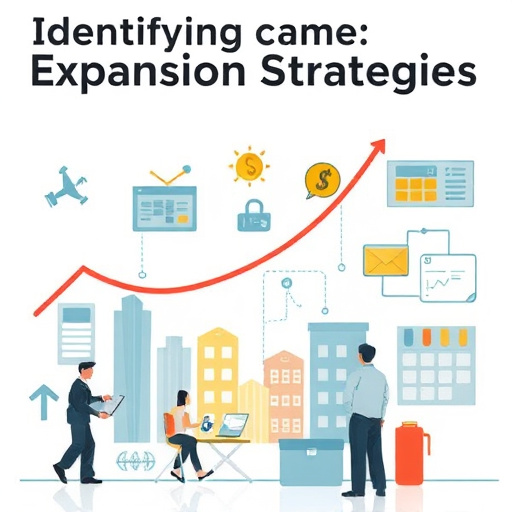
For businesses looking to expand, Austin Real Estate presents a dynamic landscape of opportunities. Identifying effective expansion strategies is crucial for capitalizing on the thriving local economy and competitive market conditions. According to recent data from the Texas Real Estate Center, Austin has experienced a 7% year-over-year increase in commercial real estate values, showcasing its attractiveness for businesses seeking growth.
One strategic approach involves assessing existing operations and pinpointing locations with untapped potential. For instance, a tech startup might find it advantageous to relocate from a suburban office to a central business district space in Austin, enhancing employee collaboration and accessibility for clients. This strategy leverages the city’s robust infrastructure and talent pool, fostering innovation and market penetration. Moreover, businesses can explore vertical expansion, both physically and operationally. In Austin, where the population is growing at a rate of approximately 2% annually (U.S. Census Bureau), there are opportunities to acquire adjacent properties or develop higher-rise buildings to accommodate a larger workforce and evolving business needs.
Another effective tactic is to diversify the customer base through strategic real estate placement. Businesses can leverage Austin’s diverse demographics by establishing branches in specific neighborhoods, reaching new markets and tailoring offerings to local preferences. For example, a retail brand could open a location in the rapidly growing South Congress area, capitalizing on the area’s youthful energy and penchant for unique, locally-sourced products. By adopting these expansion strategies, businesses can navigate Austin’s competitive landscape, capitalize on its economic vibrancy, and secure a strong foothold for sustained growth.
Evaluating Commercial Properties in Austin

Austin, known for its dynamic tech scene and thriving economy, presents a compelling commercial real estate landscape for businesses aiming to expand. Evaluating properties in Austin requires a nuanced understanding of market trends and the city’s unique characteristics. The city has experienced steady growth, with a 2023 report indicating a 15% increase in office space absorption compared to the previous year. This surge is largely attributed to the influx of tech giants and startups seeking prime real estate in vibrant neighborhoods like Downtown and North Austin.
When assessing Austin Real Estate, several key factors come into play. Location is paramount; properties near transportation hubs, technology corridors, or established business districts tend to command premium prices. For instance, office spaces along the Domain’s tech corridor have seen significant leasing activity due to their proximity to major employers and ample amenities. Another critical aspect is understanding the local demographic and consumer trends; areas with robust populations and strong economic indicators often offer better investment opportunities. Data from the U.S. Census Bureau reveals that Austin’s workforce has grown by over 20% in the past decade, underscoring the city’s appeal for businesses seeking talent.
Experts suggest a thorough analysis of property condition, lease terms, and potential redevelopment opportunities. Older buildings in prime locations can offer significant value renovation projects, while newer developments may require careful scrutiny to ensure they meet evolving business needs. For instance, sustainable design features are increasingly sought-after, influencing the market value of eco-friendly properties. Austin’s commitment to innovation makes it a prime testing ground for new real estate trends, providing savvy investors with opportunities to capitalize on emerging markets. By balancing strategic considerations and staying attuned to local dynamics, businesses can secure advantageous positions in Austin’s vibrant commercial landscape.
Navigating Legal and Financial Aspects

Expanding a business into new territories presents both opportunities and challenges, particularly within the realm of commercial real estate. Austin Real Estate, known for its dynamic market, offers significant prospects for growth but demands careful navigation of legal and financial complexities. This section delves into crucial considerations to ensure a smooth transition and successful expansion.
One of the primary aspects to address is zoning regulations. Each area in Austin has specific zoning laws dictating how land can be used, impacting your business’s potential locations. Understanding these rules early on prevents costly mistakes. For instance, mixed-use developments require different permits and compliance standards than industrial or retail spaces. Engaging experienced real estate professionals who are well-versed in local regulations is essential to identifying suitable properties that align with your expansion plans.
Financial aspects play a pivotal role in any commercial real estate transaction. Securing financing options tailored to your business’s needs is critical. Traditional loans, seller financing, or joint ventures are among the choices available. Austin’s thriving economy provides a robust environment for investment, but it also means competitive markets and rapidly changing prices. Keeping abreast of market trends, such as vacancy rates and rental income potential, allows businesses to make informed decisions. Additionally, tax implications should be thoroughly understood, including property taxes, sales taxes, and any applicable incentives or rebates, to optimize financial outcomes.
Expert legal counsel is invaluable for navigating the intricacies of commercial leases and contracts. In Austin, where a diverse range of tenants and landlords exist, ensuring favorable terms that protect your business interests is crucial. Leases often include clauses related to rent adjustments, termination options, and maintenance responsibilities, all of which require careful scrutiny. Legal professionals can help negotiate these terms, especially when dealing with established properties or multiple-tenant buildings, ensuring a solid foundation for long-term success in Austin’s competitive market.
Case Studies: Successful Business Expansions

In the dynamic landscape of business growth, commercial real estate opportunities play a pivotal role in shaping successful expansions. Austin Real Estate has been a prime example of this, with numerous case studies illustrating how strategic property choices can drive organizational metamorphosis. One prominent example is the tech giant that relocated its headquarters to Austin’s emerging tech hub, benefiting from a vibrant ecosystem that attracted top talent and facilitated rapid expansion. This move not only lowered operational costs but also positioned them at the heart of a thriving community, fostering innovation through collaboration with local startups and research institutions.
Another compelling narrative involves a retail chain that expanded into Austin’s burgeoning food scene, securing prime locations in trendy neighborhoods. By embracing this niche, they tapped into the city’s renowned culinary culture, drawing both locals and tourists. This strategic expansion led to increased brand visibility and market share, underscoring the importance of aligning business goals with Austin’s unique demographics and trends. Data from local real estate agencies reveals a consistent upward trend in occupancy rates for commercial spaces catering to specialty retail and food-related concepts within the city limits.
Experts emphasize that successful business expansions in Austin Real Estate require meticulous planning and an understanding of market dynamics. Key considerations include identifying target demographics, analyzing competitive landscapes, and leveraging local insights from industry professionals. For instance, a company looking to expand its manufacturing operations should consider zoning regulations and access to transportation infrastructure. Conversely, a startup aiming for a co-working space in Austin should focus on areas attracting young professionals and entrepreneurs, factoring in amenities that cater to their lifestyle and business needs.
Maximizing Return on Investment in Austin Real Estate

Austin Real Estate presents a compelling landscape for businesses seeking expansion, offering significant ROI opportunities. The city’s dynamic economy, driven by sectors like technology, healthcare, and sustainability initiatives, has fueled a robust real estate market. According to recent data, Austin’s commercial property values have experienced steady growth, with an average increase of 7% year-on-year. This trend is expected to continue as the city’s desirability grows among businesses aiming to establish or expand their operations.
Maximizing investment in Austin Real Estate demands a strategic approach. Businesses should consider the city’s unique demographic and cultural factors that contribute to its appeal. For instance, Austin’s young, highly educated population provides a talent pool for various industries. This demographic trend is reflected in the city’s vibrant startup scene, which has attracted significant investments. By understanding these nuances, businesses can identify suitable property types, such as modern office spaces or mixed-use developments, catering to the needs of tech startups and innovative companies.
Expert advice suggests focusing on areas like Downtown Austin and the surrounding neighborhoods, where high demand meets limited supply. These locations offer excellent exposure, access to transportation networks, and a thriving community atmosphere—key factors for successful commercial ventures. Investing in well-positioned properties with potential for amenity-rich environments can enhance tenant retention and property values over time. Additionally, staying informed about local zoning regulations and future development plans is crucial for making informed decisions that align with Austin’s evolving landscape.
In exploring commercial real estate opportunities for business expansion in Austin, this article has highlighted several key insights. Understanding the dynamic trends within the local market is paramount, as is the strategic identification of growth avenues for businesses. Evaluating properties with a keen eye for quality and potential, while navigating legal and financial complexities, ensures informed decision-making. The presented case studies offer tangible examples of successful expansions, providing valuable lessons in execution and return on investment (ROI). Maximizing ROI in Austin Real Estate requires a balanced approach that considers market conditions, property selection, and strategic planning. By synthesizing these learnings, business leaders can confidently navigate the Austin real estate landscape, capitalize on growth opportunities, and achieve sustainable expansion.