

In Austin Real Estate, prospective buyers have various mortgage options. Conventional, FHA, VA, and ARMs cater to different needs, with expert consultation key for informed decisions. Pre-qualification is essential, considering rising home values and setting financial limits. Non-traditional financing methods like hard money, private lending, and peer-to-peer borrowing offer flexible solutions. Assessing financial readiness, understanding interest rates, and comparing offers are crucial steps in navigating Austin Real Estate trends.
In the dynamic Austin Real Estate market, securing the perfect property is just the first step; obtaining a suitable mortgage is equally pivotal for long-term financial stability. However, navigating the diverse financing options can be daunting. This article serves as your comprehensive guide, meticulously outlining real estate financing alternatives designed to help you secure a mortgage tailored to your needs in Austin’s competitive market. By exploring these avenues, you’ll gain the insights needed to make informed decisions, ensuring a smoother journey towards homeownership in this thriving Texas city.
- Understanding Your Austin Real Estate Mortgage Options
- Pre-Qualify: First Step to Securing Your Dream Home in Austin
- Exploring Non-Traditional Financing for Austin Properties
Understanding Your Austin Real Estate Mortgage Options

In Austin Real Estate, understanding your mortgage options is a cornerstone of making an informed decision. The city’s dynamic market offers a variety of financing paths to suit diverse buyer profiles. One common approach is the conventional mortgage, which typically requires a 20% down payment and offers favorable interest rates. For instance, according to recent data from Freddie Mac, average interest rates for a 30-year fixed-rate conventional loan in Austin hover around 3%.
Another viable option is an FHA loan, particularly attractive to first-time homebuyers. These loans, insured by the Federal Housing Administration, demand a smaller down payment as low as 3.5% and often feature flexible credit requirements, making homeownership more accessible. Additionally, Veterans Affairs (VA) loans are available to eligible service members and veterans, providing zero-down options and competitive rates. Data from the U.S. Department of Veterans Affairs shows that in 2022, over 80% of VA loan users in Texas chose no-money-down financing.
Beyond conventional, FHA, and VA loans, Austin Real Estate buyers might consider adjustable-rate mortgages (ARMs). ARMs offer lower initial interest rates than fixed-rate mortgages for a set period, usually 5/1 or 7/1, after which the rate adjusts annually based on market conditions. While riskier in fluctuating rates, ARMs can be advantageous when interest rates are expected to decline over time. It’s crucial to consult with a mortgage expert to weigh these options and choose what aligns best with your financial goals and Austin Real Estate market trends.
Pre-Qualify: First Step to Securing Your Dream Home in Austin

Before diving into the complex world of Austin real estate financing, pre-qualification stands as a crucial, initial step towards securing your dream home. This process empowers prospective homebuyers by providing a clear understanding of their financial capabilities in the competitive Austin market. By pre-qualifying, you gain valuable insights into the types of properties you can afford and the loan options available to you.
In Austin, where real estate values have been steadily rising, pre-qualification becomes an even more essential tool. According to recent data from the Austin Board of Realtors, the median home price in the city has surpassed $400,000, marking a significant increase over the past decade. In such a dynamic market, having a solid grasp on your financial position can save you countless hours and prevent disappointment during property hunting. A pre-qualification process typically involves verifying your income, assets, and credit history with a mortgage lender. This information is then used to calculate how much you can borrow and under what terms.
During this phase, it’s advisable to engage with reputable Austin mortgage lenders who offer transparent processes and competitive rates. They can provide personalized guidance based on your unique financial situation. Moreover, understanding pre-qualification allows you to make informed decisions about other aspects of home ownership in Austin real estate. From exploring different neighborhoods to considering additional costs like property taxes and homeowners’ insurance, this initial step serves as a foundational block for a successful home buying journey.
Exploring Non-Traditional Financing for Austin Properties
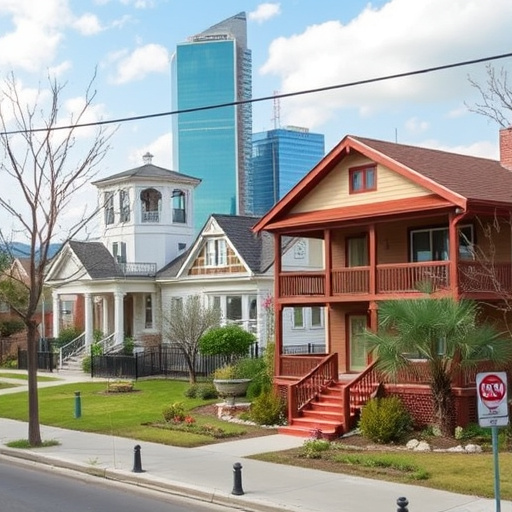
In Austin Real Estate, navigating financing options is a crucial step for prospective buyers. While traditional mortgages are prevalent, exploring non-traditional financing can unlock unique opportunities and cater to diverse needs. These alternatives offer flexibility and innovative approaches to property acquisition, especially in a dynamic market like Austin.
Non-traditional financing methods include hard money loans, private lending networks, and peer-to-peer (P2P) borrowing platforms. Hard money lenders, often local Austin-based companies, provide short-term loans secured by the property. This option is attractive for quick closings and rehabilitating properties, as these lenders typically offer faster funding than conventional banks. For instance, a recent study revealed that hard money lending in Texas experienced a 12% growth rate year-over-year, indicating increasing demand in Austin Real Estate. Private lending networks connect borrowers with accredited investors, offering flexible terms and customized loans. Peer-to-peer borrowing platforms facilitate direct transactions between individuals, potentially providing lower interest rates and more personalized service.
When considering non-traditional financing, Austin property buyers should assess their financial readiness. Lower down payments may be available but often come with higher interest rates. Lenders will evaluate the property’s value, location, and potential for growth when determining loan amounts. It is advisable to compare multiple offers and understand the terms thoroughly. Additionally, staying informed about local real estate trends in Austin Real Estate can help investors make informed decisions, ensuring they secure favorable financing options tailored to their unique circumstances.
By exploring diverse financing options available in Austin Real Estate, this article equips readers with the knowledge to navigate the mortgage process confidently. Understanding your choices, pre-qualifying early, and considering non-traditional financing methods unlock doors to securing your dream home. The insights provided offer a strategic approach, ensuring you make informed decisions in the competitive Austin market, and ultimately achieve your real estate goals with success.