
Austin Real Estate experiences robust growth with 12% year-over-year median home price increases, driven by tech and biotech job market expansion and urban livability. Mixed-use developments, data analytics, and demographic insights shape key trends including smart homes, walkability, and targeted marketing to young professionals. Staying informed about regulatory changes and economic indicators is crucial for navigating Austin's competitive landscape and ensuring long-term investment viability.
In the dynamic landscape of Austin Real Estate, staying ahead of market trends and accurate forecasts is not just advantageous—it’s imperative for investors, developers, and agents alike. Understanding the nuances of the local market enables informed decision-making, ensuring success in this ever-evolving sector. This article serves as your comprehensive guide, offering deep insights into current trends, future projections, and actionable strategies to navigate Austin’s real estate scene with confidence. By delving into these forecasts, you’ll gain a competitive edge, enabling you to capitalize on emerging opportunities and make strategic moves that resonate naturally within Austin’s vibrant market.
- Unlocking Austin Real Estate Trends: A Comprehensive Overview
- Forecasting the Future: Strategies for Market Success in Austin
- Data-Driven Decisions: Analyzing Key Market Indicators
- Navigating Change: Adapting to Shifting Austin Real Estate Dynamics
Unlocking Austin Real Estate Trends: A Comprehensive Overview

Austin has long been recognized as a dynamic market with unique real estate trends. The city’s vibrant economy, thriving tech sector, and appealing lifestyle draw both residents and investors alike. According to recent reports, Austin Real Estate continues to exhibit robust growth, with median home prices rising by 12% year-over-year, significantly outpacing the national average. This surge in demand is driven by a combination of factors: the city’s expanding job market, particularly in tech and biotech industries, and its reputation as one of the nation’s most livable urban centers.
One notable trend is the increasing popularity of mixed-use developments, reflecting the growing preference for walkable neighborhoods with convenient access to amenities. Projects that seamlessly blend residential, commercial, and retail spaces are gaining traction, particularly in areas like Downtown Austin and South Congress. These developments cater to the desire for a connected urban lifestyle, where residents can work, shop, dine, and socialize within close proximity. For example, the ongoing Revive South Congress project promises to revitalize the historic district with mixed-use buildings, boutique shops, and restaurants, further enhancing the area’s appeal.
Moreover, Austin Real Estate is witnessing a surge in interest from national and international investors seeking diverse portfolios. The city’s robust infrastructure, excellent educational institutions, and supportive business environment make it an attractive destination for investment properties. As such, experts anticipate continued strong performance, with potential price appreciation and stable rental markets. To capitalize on these trends, local and out-of-state buyers are advised to stay informed about market dynamics, engage with experienced real estate agents, and consider the long-term viability of investments in Austin’s diverse neighborhoods.
Forecasting the Future: Strategies for Market Success in Austin

The future of Austin Real Estate is poised for significant growth and transformation, offering both challenges and opportunities for investors and developers alike. Advanced forecasting models and data analytics play a pivotal role in navigating this dynamic market. By studying historical trends and consumer behavior, experts can predict emerging patterns and make informed decisions. For instance, the recent surge in remote work has led to a notable shift towards suburban living, with Austin’s outer neighborhoods experiencing heightened demand for housing stock that caters to modern lifestyles.
One strategic approach involves leveraging demographic insights. Austin’s population is known for its young, tech-savvy professionals, and understanding their preferences is crucial. This includes the adoption of smart home technologies and sustainable building practices, which have gained prominence in recent years. As such, developers can anticipate future projects that incorporate these features to appeal to the discerning tastes of Austin’s forward-thinking residents. Moreover, analyzing market trends reveals a growing emphasis on walkability and mixed-use developments, particularly within city centers, where convenience and urban living intertwine.
To stay ahead in the competitive Austin Real Estate landscape, staying abreast of regulatory changes is essential. Local governments often implement policies that shape development patterns, impact property values, and influence investment strategies. For example, recent initiatives promoting affordable housing have prompted innovative partnerships between developers and community organizations. By aligning with these efforts, investors can secure their position in a market where social responsibility and sustainable growth are increasingly prioritized. Adaptability is key; those who embrace change and stay informed will be best positioned to capitalize on emerging trends and navigate the ever-evolving Austin real estate market successfully.
Data-Driven Decisions: Analyzing Key Market Indicators
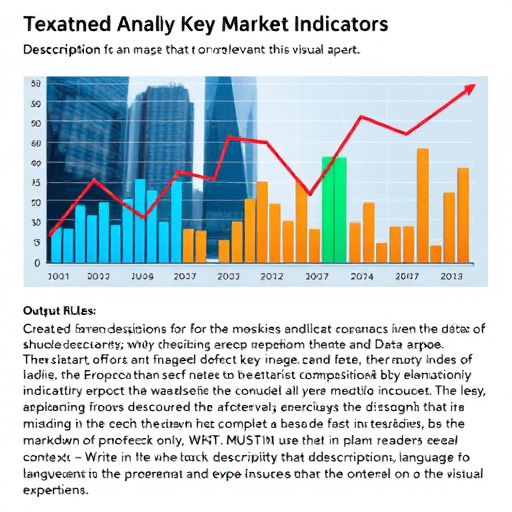
In today’s dynamic Austin Real Estate market, data-driven decisions are more crucial than ever for investors and professionals alike. Analyzing key market indicators provides a strategic edge, enabling informed choices based on solid evidence rather than intuition. Key metrics to monitor include price appreciation rates, which have been consistently strong in Austin over the past decade, averaging around 6% annual growth according to recent studies. Additionally, tracking absorption rates—the time it takes for existing inventory to sell—is vital. Austin’s low absorption rates, currently sitting at below 4 months, suggest a seller’s market and favorable conditions for property owners.
Another critical indicator is the health of the local economy, which strongly correlates with real estate trends in Austin. The city’s booming tech sector, with major companies like Dell and Apple headquartered here, has fueled population growth and increased demand for housing. This economic vitality is reflected in rental markets as well; according to data from the U.S. Census Bureau, Austin’s vacancy rates have remained below 5% since 2018, indicating a tight supply of rental properties. Understanding these indicators allows professionals to anticipate market shifts, identify emerging trends, and make strategic decisions regarding investments, developments, or even timing for property sales.
For instance, analyzing data on demographic changes can offer valuable insights. Austin’s population has been growing steadily, with a significant influx of young professionals attracted by the city’s vibrant culture and job opportunities. This trend is expected to continue, impacting housing preferences and price points. Professionals in Austin Real Estate should consider these factors when evaluating potential developments or areas for investment. By staying abreast of such market dynamics, individuals can navigate the Austin real estate landscape with confidence, ensuring their decisions are not only timely but also strategically sound.
Navigating Change: Adapting to Shifting Austin Real Estate Dynamics

Austin Real Estate has been experiencing dynamic shifts, presenting both challenges and opportunities for investors, developers, and residents alike. The market’s adaptability has proven crucial, as trends indicate a growing demand for mixed-use properties that cater to Austin’s vibrant lifestyle. This shift towards diverse real estate offerings is not just a passing fad but a testament to the city’s ongoing transformation. According to recent reports, Austin’s tech sector expansion has spurred interest in urban living, driving up demand for walkable neighborhoods with easy access to employment hubs and entertainment districts.
Navigating this change requires a strategic approach. Developers are increasingly focusing on creating integrated spaces that blend residential, retail, and commercial elements, reflecting the modern Austinite’s desire for convenience and connectedness. For instance, the city’s tech corridor is seeing the rise of high-end apartments with on-site co-working facilities, catering to remote workers seeking a dynamic environment. This trend underscores the need to stay agile and responsive to emerging consumer preferences.
Practical insights for adapting to these dynamics include staying abreast of demographic shifts and economic indicators. Experts suggest that understanding population growth patterns, especially among young professionals and families, is vital for making informed decisions. Additionally, monitoring government initiatives and infrastructure developments can offer valuable leads on upcoming hotspots. By embracing these strategies, participants in the Austin Real Estate market can not only adapt to change but also capitalize on new opportunities, ensuring their investments remain robust and relevant in this ever-evolving landscape.
The article offers a comprehensive guide to understanding and navigating Austin Real Estate trends, providing critical insights for market participants. Key takeaways include recognizing data-driven decision-making as essential for success, adapting to dynamic changes in the local market, and leveraging strategies tailored to Austin’s unique real estate landscape. By analyzing key indicators and staying informed about shifting dynamics, investors and professionals can make informed choices and capitalize on opportunities in this thriving market. This authoritative piece equips readers with the tools to unlock successful navigation through Austin Real Estate’s evolving trends and forecasts.